
)
The product of a healthy business
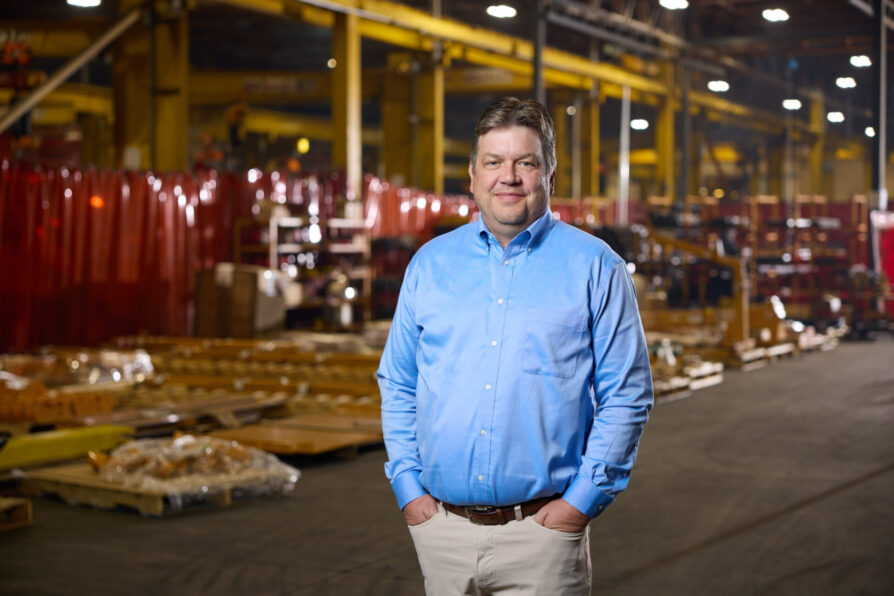
In manufacturing, the health of the organisation behind a product can influence the performance of everything downstream, says Doug Stitt, president and CEO at The Caldwell Group Inc
There is a natural temptation in manufacturing to measure productivity by what happens on the factory floor: welders working; below-the-hook orders being processed; trucks leaving the loading dock; and customers receiving their equipment.
Against that backdrop, an employee workshop or company-wide initiative can look like an indulgence; in other words, it might be perceived as time spent away from the immediate business of making and selling products. But that view misses something important. The way people communicate, collaborate and understand their role in the wider organisation can have a surprisingly direct bearing on what eventually reaches the customer.
For manufacturers, the effects of a healthy internal culture do not necessarily stop at the factory gates. Better communication can reduce mistakes; shared knowledge can improve decision-making; and people who understand the wider purpose of what they do are more likely to take ownership of quality and service. Those benefits can work their way through distributors, partners and end users, ultimately influencing the experience of the person using the product. That is why investing in people should not be seen as separate from productivity; it can be one of the things that creates it.
Of course, it takes a certain type of operation to make this happen. Looking inward is valuable, but the timing and execution matter, particularly in a customer-focused manufacturing environment. We plan for it. We schedule for it. So, no one is leaving anything unattended. The real measure of success is whether that investment ultimately strengthens the business and translates into something customers can feel — better communication, fewer mistakes, more dependable delivery or a stronger service experience.
Pulling in the same direction
At Caldwell, we have a concept called Caldwell Strong Week, but the name itself is not important. What matters is what happens during it: we deliberately turn our attention to three things that shape the business: our team, our goals and our plan for achieving them.
For us, that is summed up in the simple idea of One team. One goal. One plan. Another company might call its initiative Manufacturing Week, Team Focus, The Year Ahead or something entirely different. The label is yours to choose; what matters is using the opportunity to bring people together around a shared purpose, clarify where the business is going and give everyone a clearer understanding of the part they play in getting there.
A good focus week should never mean pressing pause on the business. Orders still move, customers still need answers and the work still gets done. The difference is that, for a few hours each day, we deliberately step back from the day-to-day to look at the business as a whole: what is happening, where we are going and how each of us can help make it better. There are sessions to learn more about the business, opportunities to share food and appreciation, and plenty of games and team activities designed simply to get people talking, working together and getting to know one another better. The point isn’t to take people away from their jobs; it is to give them some time to understand how their jobs connect.
The week builds towards Friday, when the emphasis shifts firmly towards teamwork and having some fun together. This year’s programme included a “Junkyard Wars”-inspired competition and a family night, with food trucks, bouncy houses, plant tours, raffles supporting Caldwell Cares (see insert: our employees-helping-employees initiative) and even a dunk tank involving… me… and other members of the team. There was some Caldwell swag along the way, too.
None of these things, taken individually, is revolutionary. The lesson is in bringing them together, making them part of the working year and giving people a reason to step outside their normal roles for a while. The real test comes afterwards: when people return to their jobs with a better understanding of the business, stronger relationships with colleagues and a clearer sense of the part they play. And ultimately, customers provide the best measure of whether that investment in the team is paying off.
Everyone’s business
For leaders, employee engagement is ultimately about ownership. It is not simply whether people feel positive about the workplace, but whether they feel that what they do matters, that their contribution is recognised and that they have some responsibility for the success of the organisation. An engaged employee doesn’t simply turn up to perform a role; they notice problems, suggest improvements, care about the outcome and understand that their decisions can affect colleagues and customers.
That also means engagement can’t be delegated entirely to human resources or reduced to an annual initiative. It is a leadership responsibility. The best leaders understand that culture isn’t separate from performance; it is one of the conditions that allows performance to happen consistently. When people believe in what the company is trying to achieve and understand that they have a meaningful part in achieving it, engagement stops being a corporate objective and becomes part of how the business operates.
In a multifaceted business operating across multiple locations, giving people opportunities to interact beyond their usual teams can be particularly valuable. The person in engineering may rarely speak to someone in sales; a colleague in production may have little reason to work directly with someone in administration; and employees at different sites can easily become familiar with their own operation without fully understanding the wider business.
Creating opportunities to bring those people together helps break down those natural boundaries, builds relationships before they are needed and gives employees a better appreciation of the different skills and perspectives that sit across the organisation. Those connections can matter later, when a problem needs solving, a customer needs something quickly or two parts of the business need to work together. People are far more likely to pick up the phone to someone they know.
Culture isn’t something that sits apart from the business. The answer is not to turn every employee initiative into a productivity seminar, but to make sure there is a clear thread running from the time invested in people to the way the business operates. People should come away with a better understanding of the company’s direction, the challenges it faces and how their own work contributes to the result.
You may not be able to put a precise dollar value on every conversation or team-building exercise, but you can see the cumulative effect in a business where people work better together, and customers ultimately receive the benefit. Culture becomes commercially meaningful when that investment changes behaviour – and better behaviour translates into a better-performing business.

ILH free trial
Click here to get your free copy of ILH magazine and the bi-weekly e-Newsletter
New Issue
ILH September 2026
In this month's issue