
)
Balanced automation
As technology advances, human judgement, presence, and talent become ever more critical, says Joel Cox.
The pace of technological advancement across the global industrial lifting community is undeniable. Intelligent cranes, automated guided vehicles (AGVs), and increasingly integrated digital systems are transforming how lifting operations are planned, executed, and monitored. Tasks that once relied heavily on manual intervention are now optimised and automated, promising greater efficiency and consistency.
Yet with this shift comes a subtle but important misconception, in that more automation reduces the need for human input. In reality, the opposite is often true. As systems become more complex, human judgement becomes increasingly critical. Technology can execute tasks and process data with precision, but it is people who interpret, adapt, and respond when conditions go beyond the expected.
Mindful of this reality, at my company, we have spent a lot of time and money on positioning ourselves as both technologically advanced and people centric. The key is framing a business as a bridge between intelligent systems and human expertise. In other words, a business doesn’t replace human insight with automation; it amplifies it with advanced tools.
As a specialist manufacturer of braking systems for heavy-duty lifting equipment, we focus on designing, engineering, and producing high‑performance and emergency brakes used in electric overhead travelling (EOT) cranes and similar industrial applications. However, a unified blueprint combining technology and human expertise can be applied across a wide range of industries, as we’ll explore.
Integrated approach
To ensure automation amplifies rather than replaces human insight, businesses should take a deliberate, integrated approach.
- First, systems must be designed around human decision-making, providing data, alerts, and actionable information, while leaving critical judgements to operators.
- Second, robust feedback loops should be established, allowing engineers and operators to feed real-world insights back into automated routines, ensuring the technology evolves with experience.
- Finally, companies should invest in hybrid skill development, training personnel who are both digitally literate and operationally experienced, so wisdom is preserved and strengthened alongside technological capability.
By analysing feedback and data from predictive maintenance, we have been able to identify key factors such as annual, semi-annual, and end-of-life failure points for components. This insight allows us to determine the approximate percentage of lifespan at which each component may require attention. The information is invaluable for maintenance planning and automation, helping teams establish appropriate maintenance intervals and recognise early tell-tale signs that indicate when scheduled servicing should occur.
Companies that successfully balance technology with human expertise tend to grow faster and operate more efficiently. Automation handles repetitive or precise tasks, while experienced personnel interpret data, make context-based decisions, and adapt to unexpected conditions. This combination improves productivity, strengthens risk management, and creates a continuous feedback loop that drives operational improvements.
At the same time, it engages and retains skilled staff, preserves institutional knowledge, and ensures systems evolve alongside human insight. In essence, organisations that integrate people and technology effectively are smarter, safer, and better positioned to deliver consistent, high-quality outcomes.
Our products have found success across multiple industries, revealing synergies we couldn’t have anticipated. Automation excels within its programmed domain, but it cannot recognise opportunities in other markets, where human savvy is essential to interpret results, spot cross-industry potential, and adapt solutions for new applications.
Expansion and recruitment
Technologically advanced, people centric businesses discover new horizons. Recently, one of our operations expanded into a French-speaking region of Canada. Arriving with the most advanced products and technology alone would have achieved little. What truly mattered was putting people in front of customers, listening, and learning from their feedback. When a snowstorm hits the northeast corridor, it quickly reminds you what is critical: human insight, adaptability, and responsiveness remain as important as any technology.
Engineers and operators with real-world exposure bring a level of situational awareness that cannot be fully codified. They understand how equipment behaves outside ideal conditions, recognise early signs of abnormal performance, and can intervene when systems reach their limits. Whether it is identifying subtle changes in crane movement, anticipating the impact of environmental conditions, or making informed decisions during atypical operations, experience continues to play a critical role.
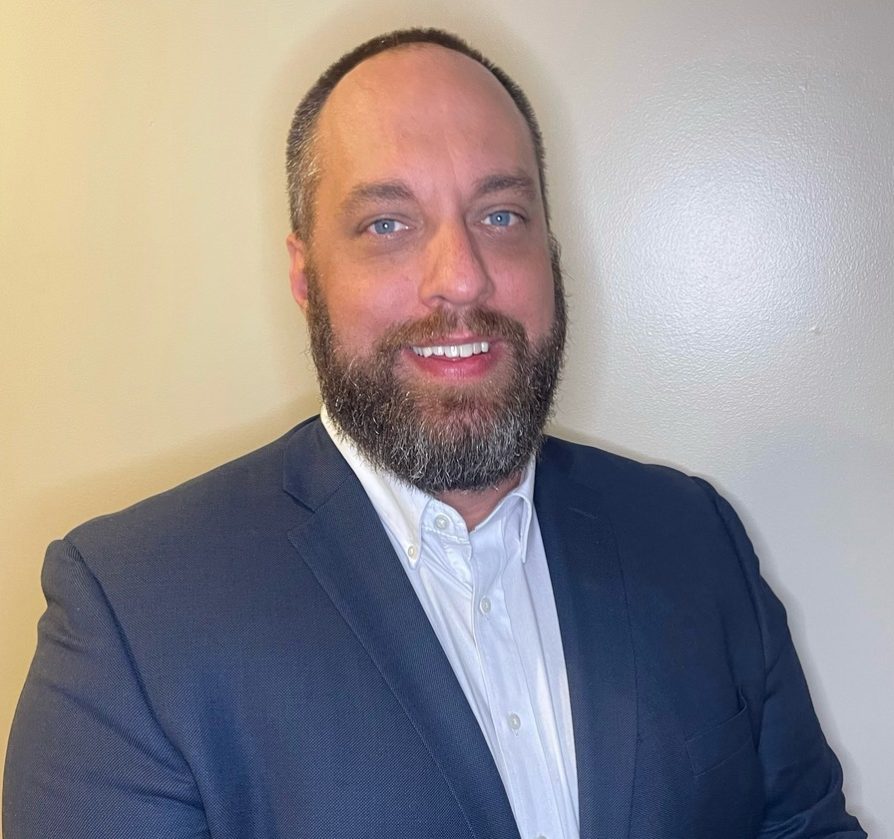
This ongoing balancing act must extend to recruitment as well. The companies that actively attract and retain talent are almost always those that have mastered the interplay between technology and human expertise. It would be remiss of me not to reference our recent recruitment of Uenver Uenlue, sales director lifting equipment, Dellner Bubenzer Germany GmbH, for example. It’s interesting to note that, in the early days of a new hire’s journey, the focus is rarely on technology. Instead, the priority is introducing them to people, and showing them who to turn to for information, knowledge, and guidance on systems. This human onboarding lays the foundation for everything else, ensuring that when technology comes into play, it is used effectively and in context, supported by experience and insight.
Likewise, tech cannot replace the knowledge and intuition lost when experienced personnel retire. Systems can store data, track performance, and automate tasks, but they cannot replicate the years of hands-on experience and contextual understanding that people carry with them. Good companies recognise that knowledge transfer must begin well before retirement. They actively capture insights of experienced personnel, ensuring that critical know-how is shared, documented, and embedded within teams so that operations remain safe, efficient, and resilient.
Experienced personnel thusly play a vital role in mentoring the next generation, ensuring that intelligence is not lost as the industry evolves. At the same time, organisations must adapt their recruitment strategies to attract individuals who can navigate both the physical and digital dimensions of modern operations.
Ultimately, the direction of travel is not a choice between automation and human expertise. The most resilient and effective operations will be those that successfully integrate the two: leveraging advanced technologies while retaining the insight and experience that only people can provide. In an increasingly automated world, it is this balance that will define performance, safety, and long-term success.
ILH free trial
Click here to get your free copy of ILH magazine and the bi-weekly e-Newsletter
New Issue
ILH September 2026
In this month's issue